
Holistic TCM treatment: Individualized. Mindful. Effective.
Book your TCM treatment in Basel now – to regulate your body, energy, and balance.

Space for holistic impulses for regeneration—tailored to you.
Every person is unique—and so is every treatment. In my TCM practice in Basel , I combine proven methods from traditional Chinese medicine (TCM) to create a holistic therapy concept. The aim is to harmonize your energy system, activate your self-regulation, and strengthen you on all levels.
Whether you are experiencing stress, pain, acute or chronic complaints – I tailor the treatment to your individual needs.
An overview of proven TCM treatment methods
The following TCM treatment methods form the basis of my therapeutic work. Depending on the findings and individual situation, they are specifically selected and combined in a meaningful way.
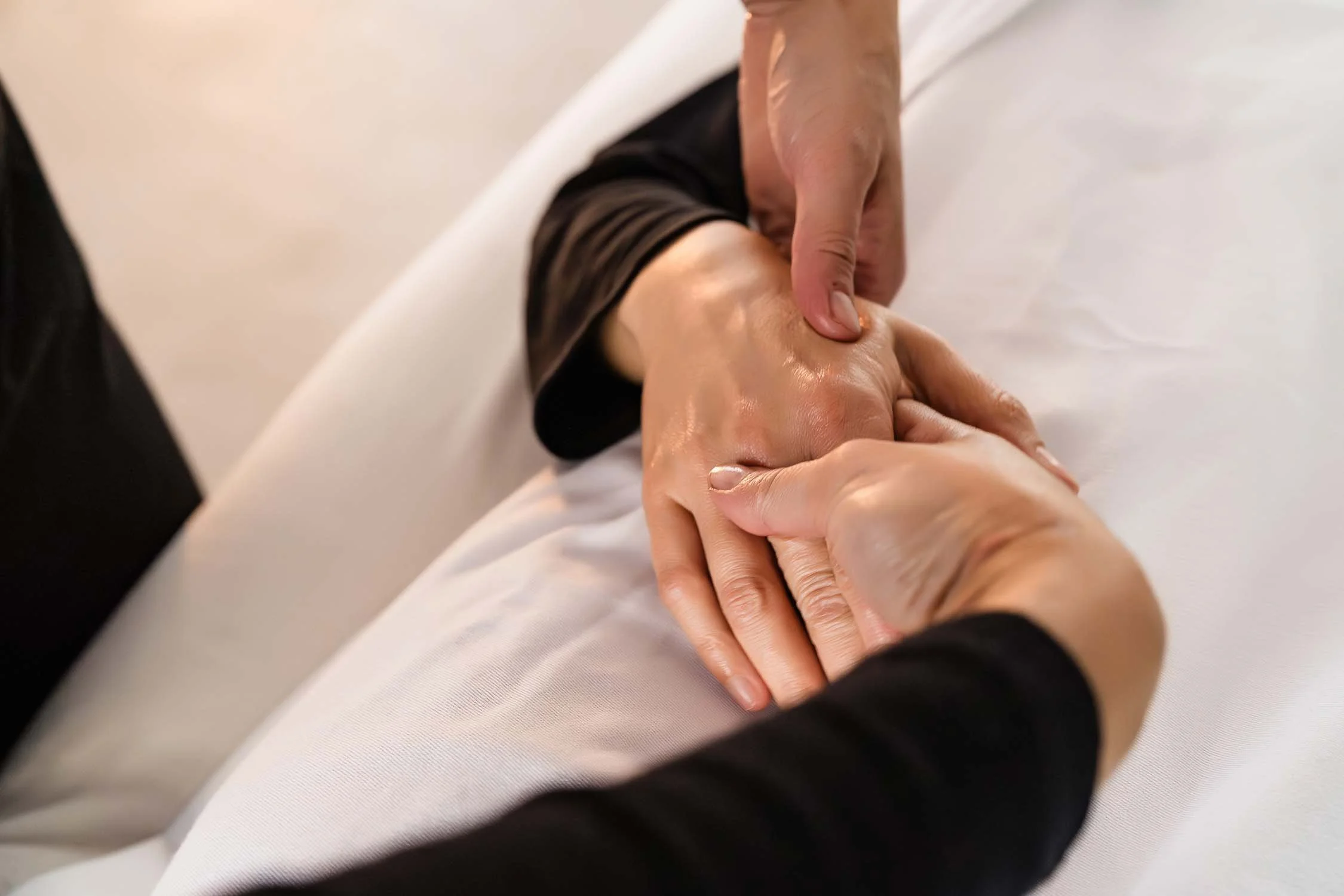
Acupressure
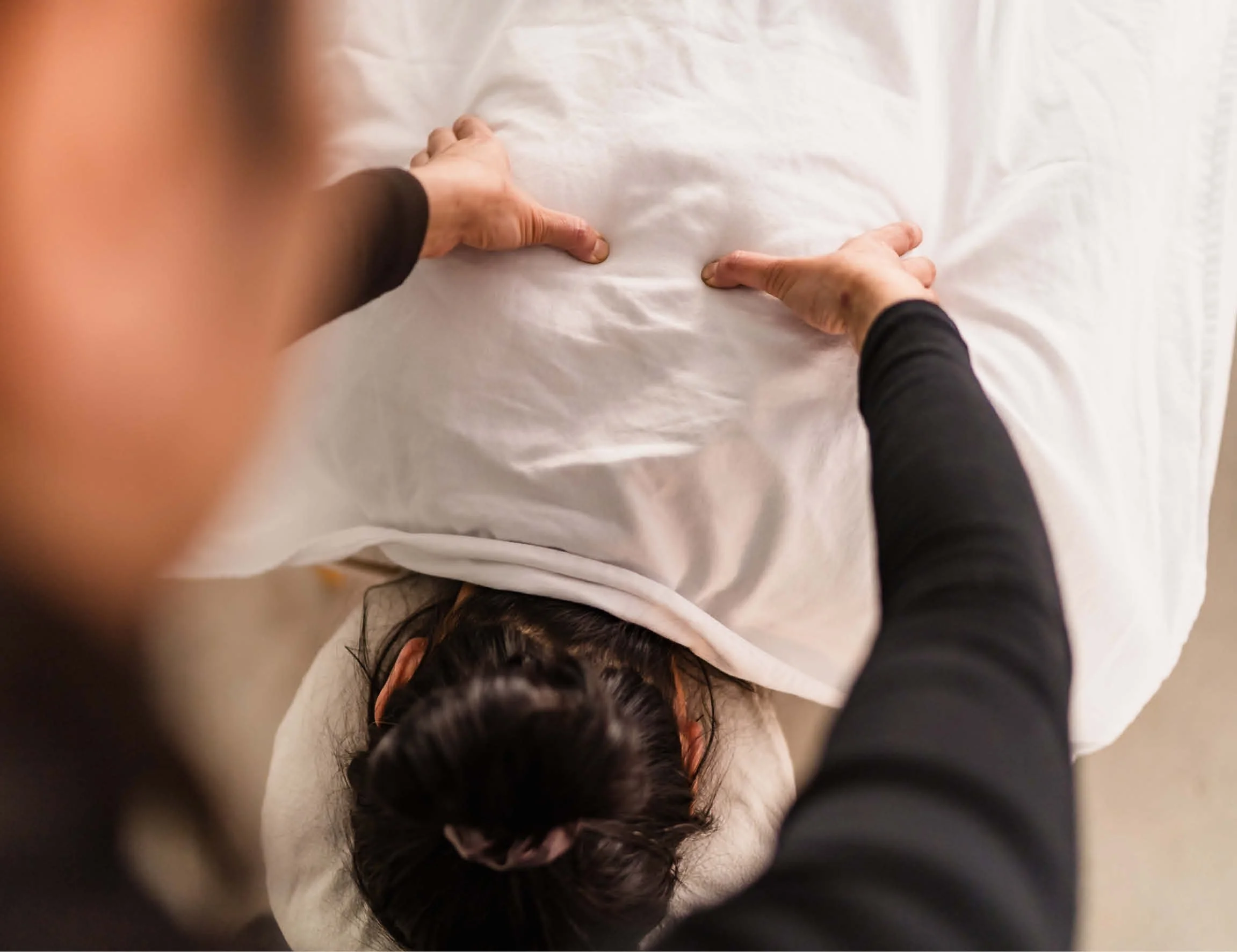
Targeted pressure along the meridians influences muscular tension and regulatory processes and supports the body's self-regulation.
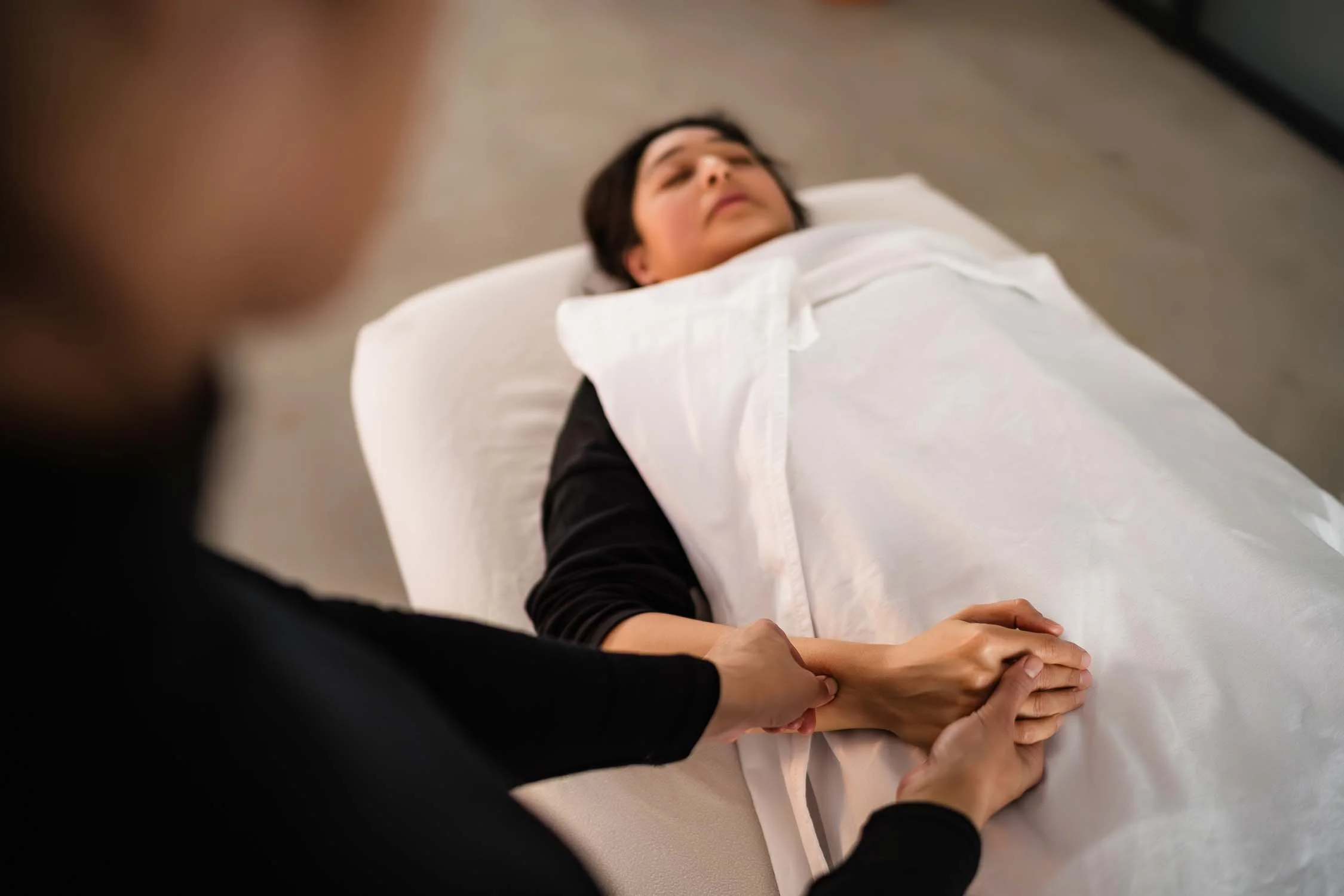
Unlike acupuncture, stimulation is performed without needles. Instead, acupoints are precisely stimulated with the thumb, fingers, palms, or—depending on the region—even the elbow. The intensity can be adjusted individually and in a differentiated manner.
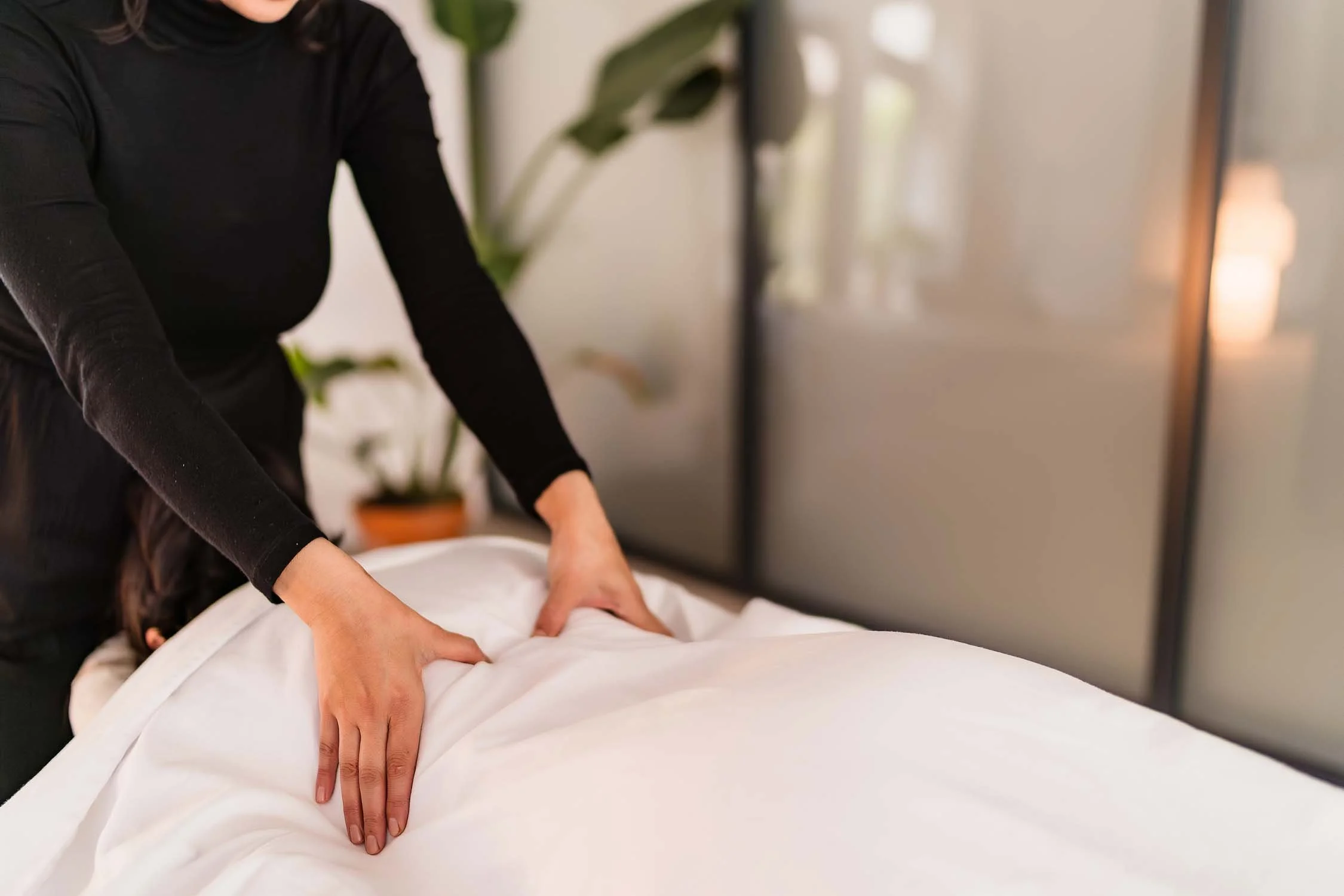
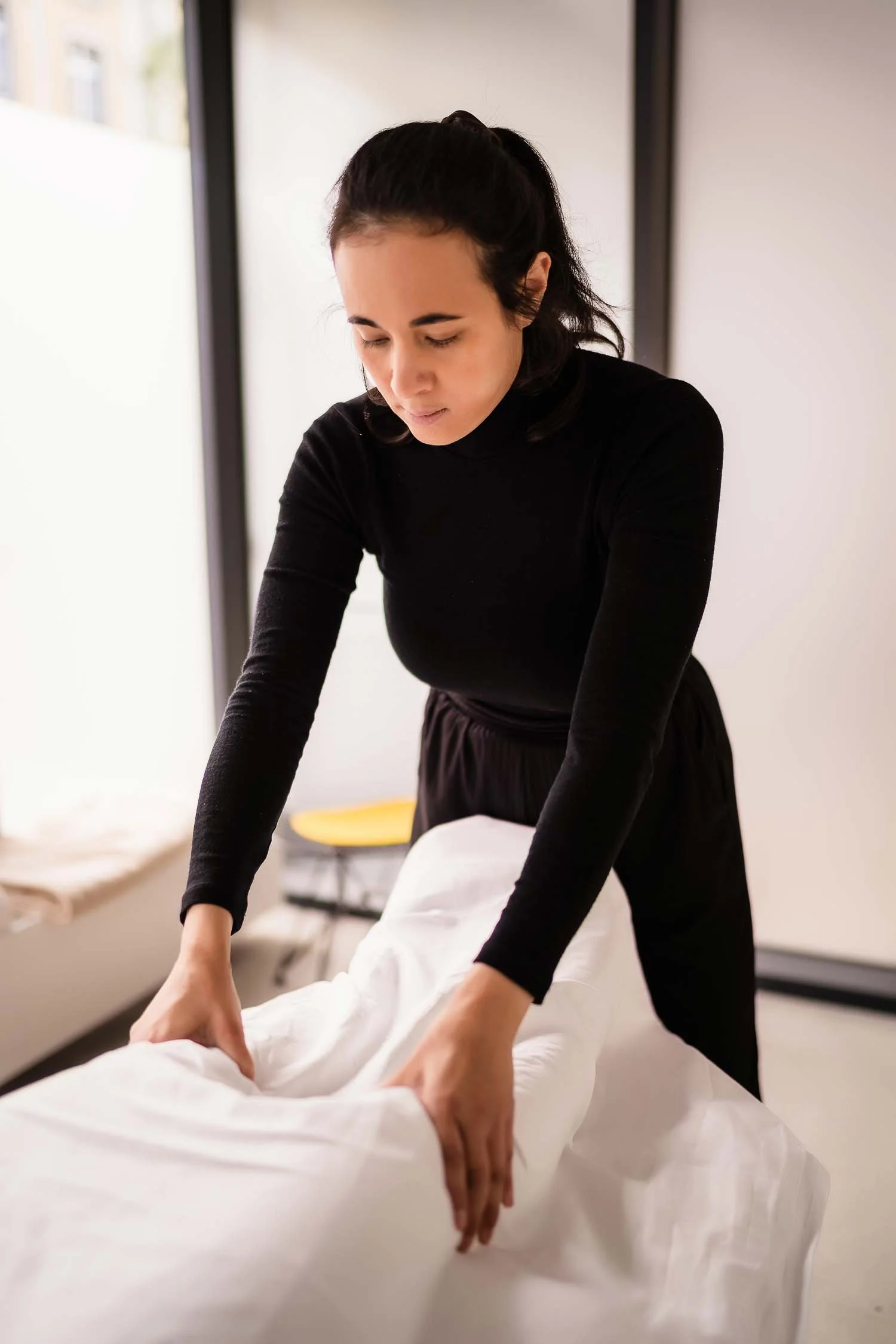
Tuina Massage (Tui Na)
Tuina is a Chinese massage. The term is composed of "Tui" (push) and "Na" (grasp) and refers to a variety of manual techniques.
It includes selective, linear, and surface-area grip techniques as well as targeted joint mobilization. Depending on the technique, Tuina can have a calming, activating, or regulating effect.
The treatment is traditionally performed on a cloth while fully clothed and is tailored to the individual's specific goals.
Qi Gong
The term Qi Gong can be translated as "working with qi." In practice, it describes gentle movement and breathing exercises that promote vitality and support internal regulation.
In terms of its effects, qigong is partly comparable to tai chi: both involve slow, flowing movements. Unlike tai chi, however, qigong does not follow a fixed sequence of movements and is therefore more accessible and can be practiced without any prior knowledge.
Moxibustion (Moxa)
Moxibustion is a heat therapy in which heat is applied to specific areas of the body or acupuncture points. It is often used on the lower back or abdomen, especially for sensitivity to cold or exhaustion.
In my practice, heat is applied as part of TCM treatment using a TDP lamp, which enables even and controlled heat emission.
Note: Moxa is not currently offered on a regular basis, but is available on request and by arrangement.
Nutrition according to the five elements
Nutrition is part of traditional Chinese medicine and is incorporated as needed. The focus is on aspects such as regularity, warm preparation, and conscious food choices to support digestion and stability.
Nutritional recommendations are made on an individual basis and only if they appear to be appropriate in relation to the existing symptoms.
cupping
Cupping involves creating targeted negative pressure on specific areas of the skin using a vacuum. This can be done with glass cups or silicone attachments.
In my practice, I mainly use mechanical or silicone methods. Cupping can be used to relieve muscle tension or at the onset of a cold.
Note: Cupping is not currently offered on a regular basis.




LAE process: the 4-step method
Each session of my TCM treatment follows a clearly structured process. The aim is to coordinate medical history, regulation, and integration in a meaningful way.
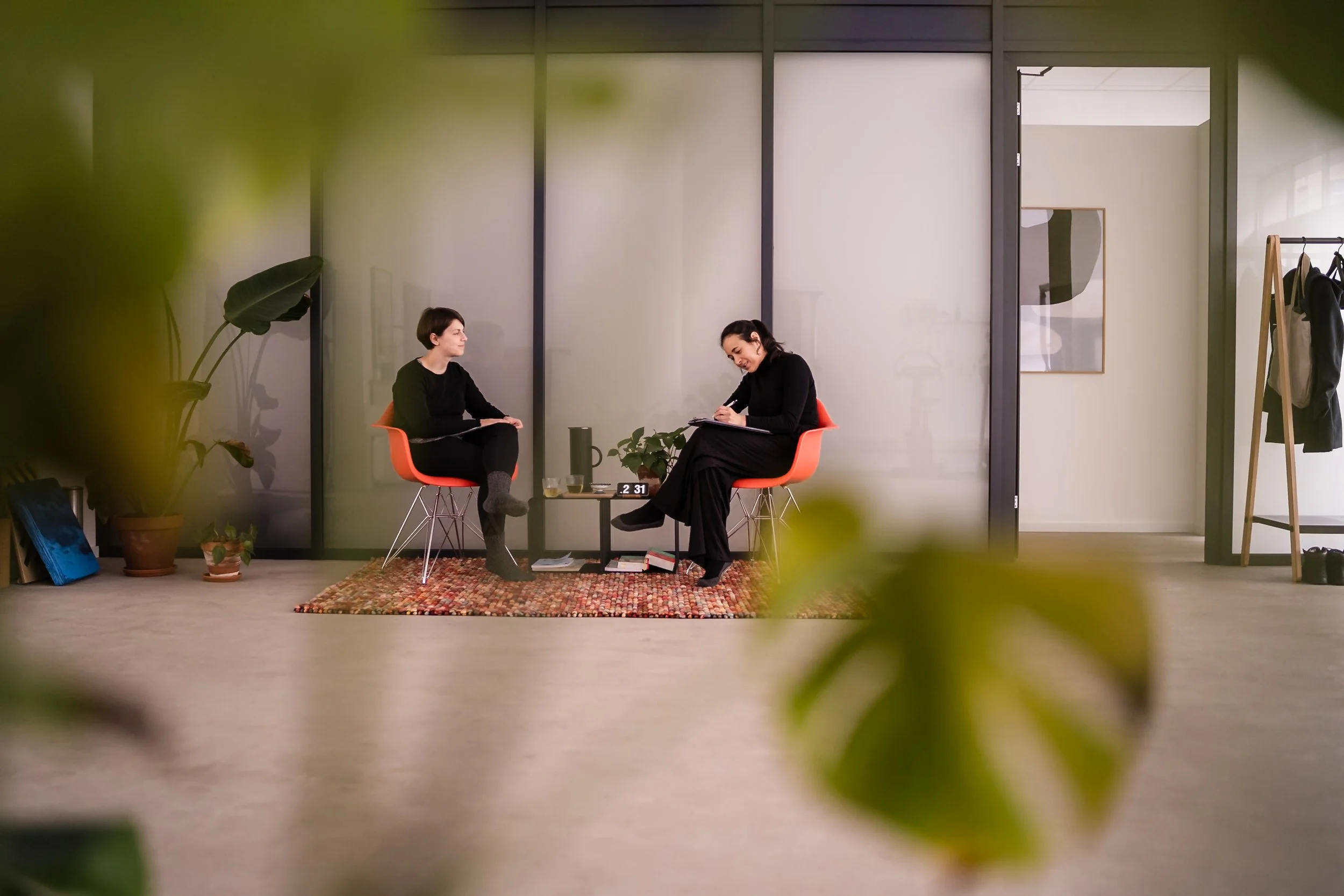
1 | Initial Consultation
Arrival
You tell us what is currently bothering you—physically or in your everyday life.
Together, we set a goal and discuss how to proceed.

2 | Qi Gong
Preparing the body
Gentle movements and breathing exercises help you to become aware of your body.
Qi Gong is calm and flowing—similar to Tai Chi—and prepares you for bodywork.

3 | Acupressure - Tuina massage
set the pace
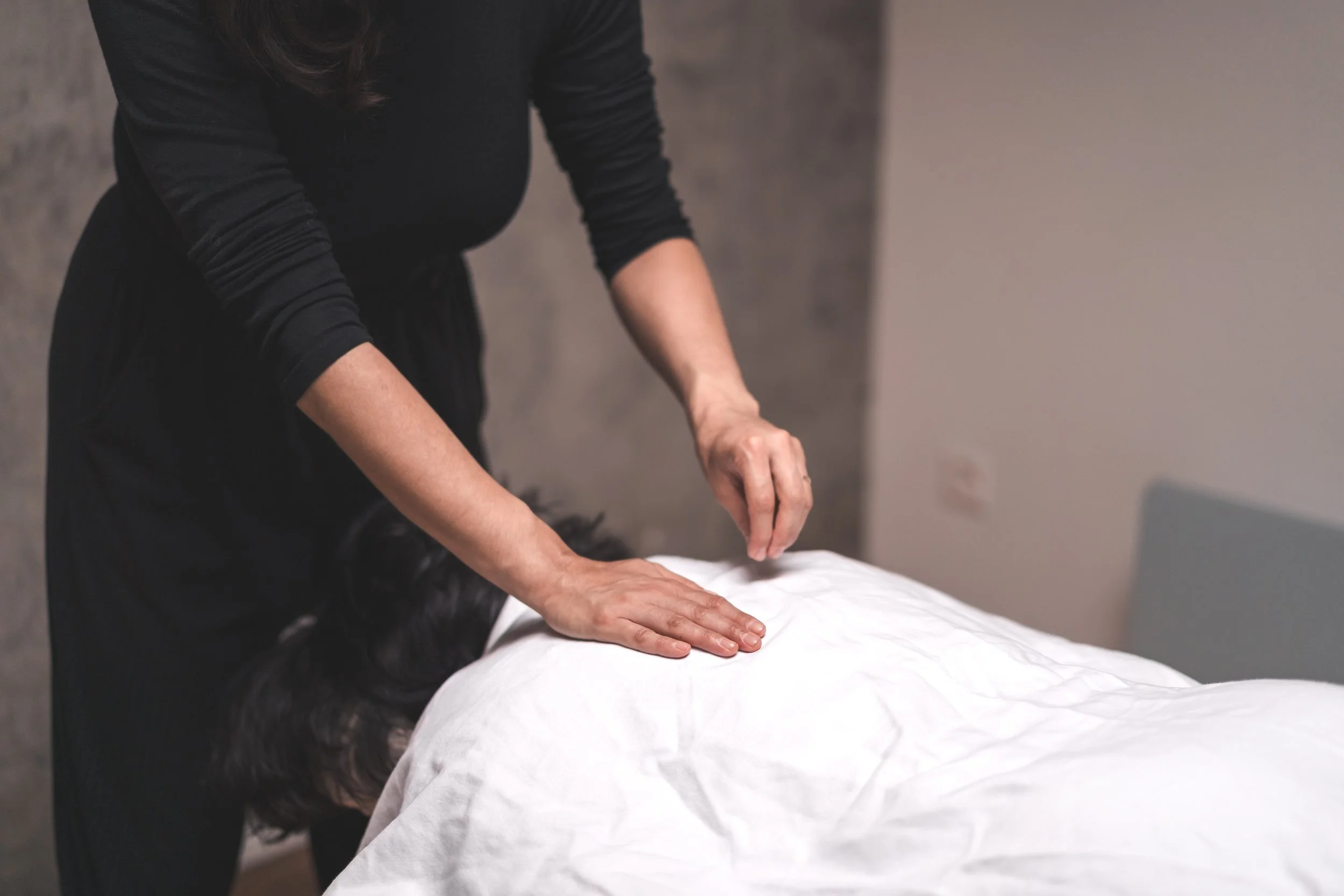
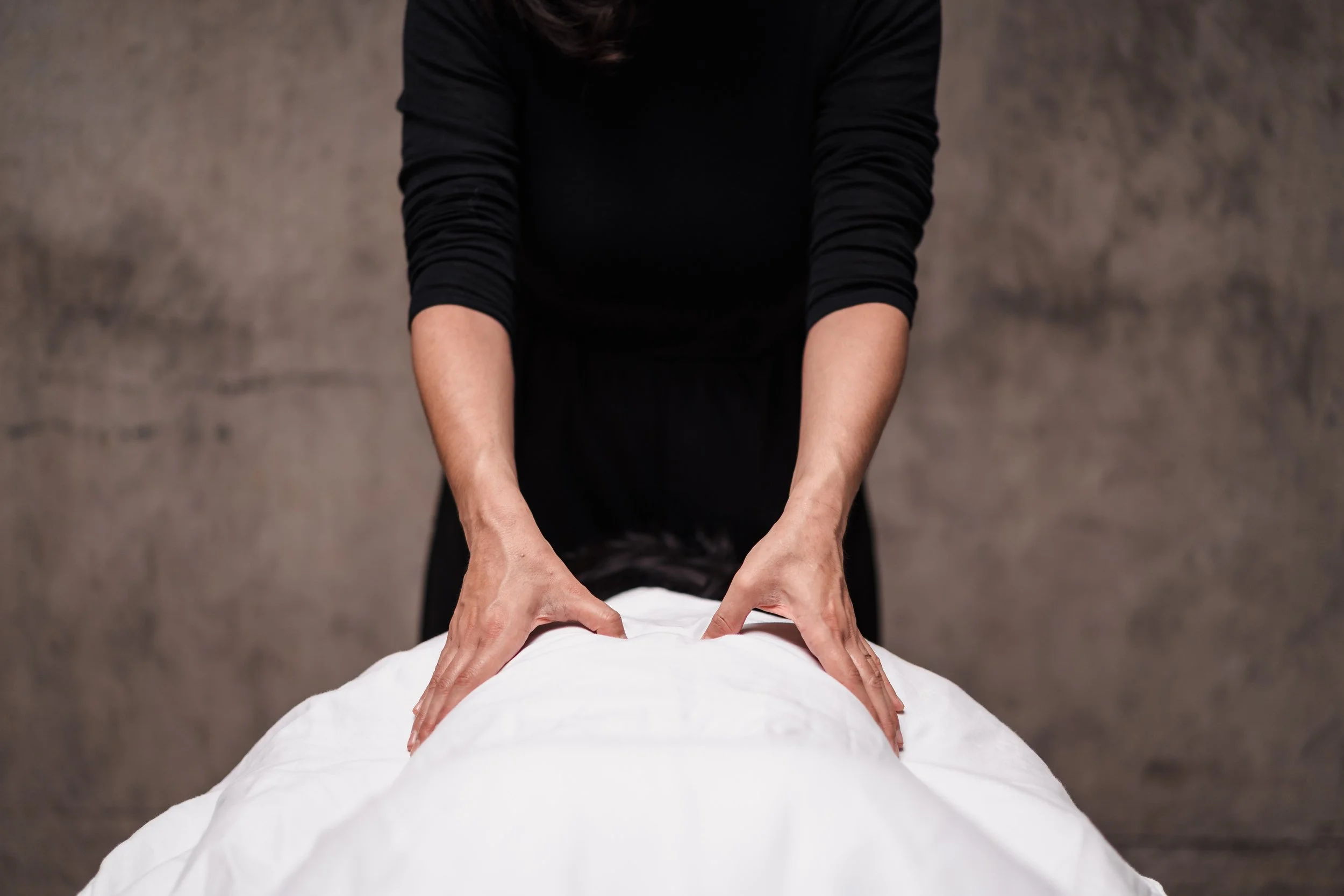
Using targeted massage techniques and pressure, I work along the meridians – similar to acupuncture, but without needles. The body can respond, let go, and regulate itself.

4 | Follow-up discussion
Integrate and next steps
We discuss together what you have noticed, how the experience can be integrated into everyday life, and how the support can continue—with input from nutritional counseling.
Effect and areas of application of TCM treatment
TCM treatment methods have a regulating effect on functional processes and can also be used as a complementary treatment for certain illnesses. Depending on the symptoms, the focus is on different areas.
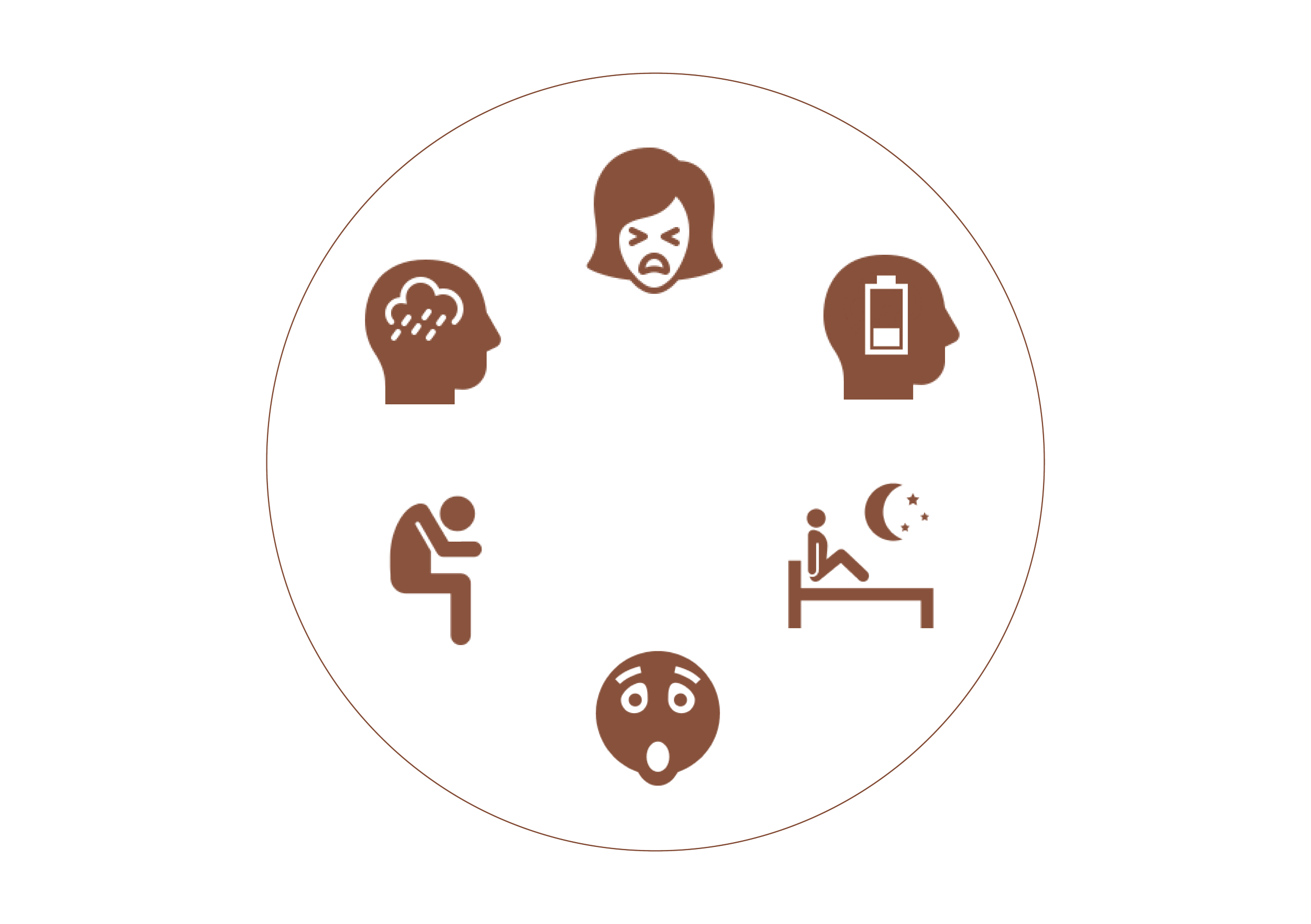
Stress and emotional regulation:
Stress, exhaustion, sleep disorders or inner turmoil can affect your inner balance. The therapeutic approach supports the stabilization of the autonomic nervous system and promotes inner balance and emotional regulation.
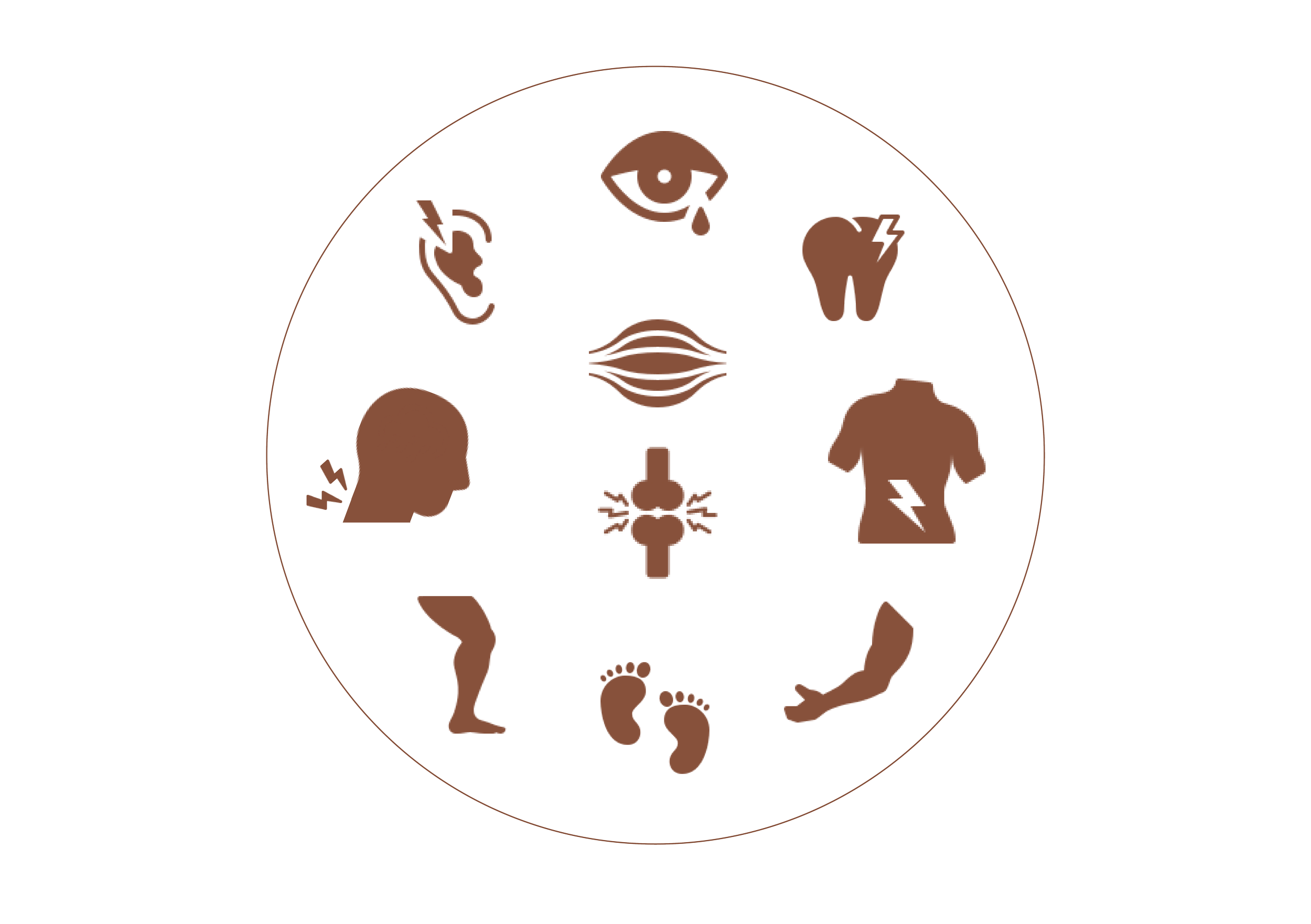
2. Pain & musculoskeletal system:
Muscle tension, back and neck problems, and joint pain are often caused by imbalance and strain. Targeted manual techniques can be used to alleviate pain, tissue tension, and functional limitations.

3. Acute & chronic complaints:
Headaches, migraines, menstrual or digestive problems, as well as recurring illnesses or chronic diseases can be treated. In addition, the treatment serves to stabilize and prevent illness by supporting long-term balance in the body.

What is Traditional Chinese Medicine (TCM)?
Traditional Chinese medicine developed in China over a period of more than 2000 years. Over generations, doctors observed how the body reacts to lifestyle, emotions, nutrition, climate, and stress.
These observations led to the development of a medical system that not only considers individual symptoms, but also recognizes connections within the body. Many of these findings were documented in classical medical texts and further developed over centuries.
The focus is on concepts such as the balance between yin and yang, qi, and the meridians.
Today, TCM is practiced worldwide and is often used to complement Western medicine. The aim of TCM treatment is to support regulation and balance in the body.
Key concepts of TCM
Several fundamental concepts in TCM help to understand how the body works.
Yin and Yang – the principle of balance
A central concept of TCM is the interplay of yin and yang.
These terms describe two forces that complement and balance each other—for example, activity and rest, tension and relaxation, warmth and cold.
Health arises when these forces are in balance. If this balance is disrupted, ailments can arise.
Qi – the functional activity of the body
In TCM, there is often talk of qi. This refers to the fundamental activity in the body—such as movement, metabolism, blood circulation, or regulation of the nervous system.
When qi circulates freely and harmoniously, the body can adapt well to stress and regenerate.
When the flow is disrupted—for example, by stress, tension, or exhaustion—symptoms can arise.
Meridians – the pathways in the body
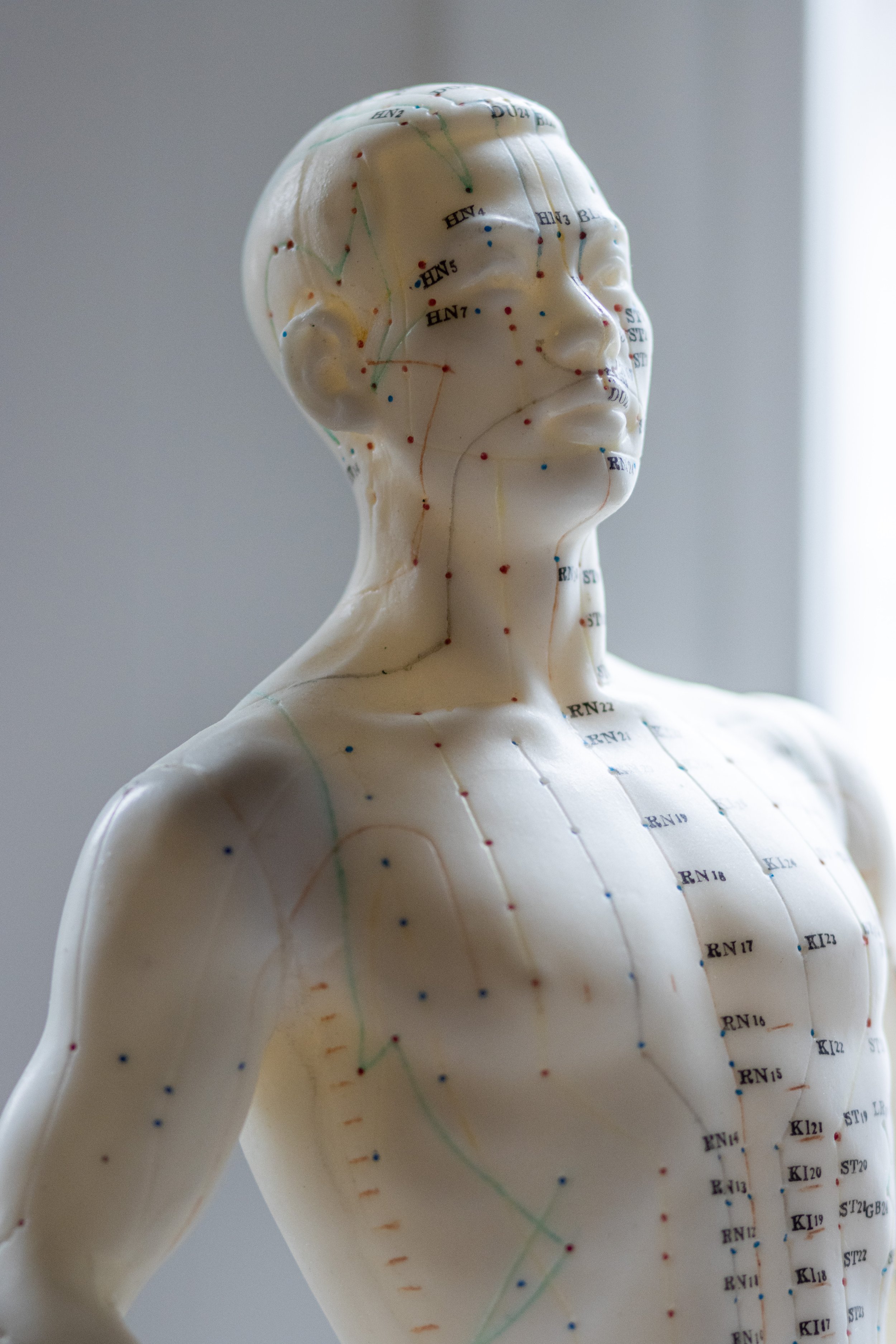
TCM describes a network of meridians. These pathways connect different areas of the body and form functional connections between organs, muscles, fascia, and the nervous system.
Many acupuncture points are located along these meridians. Targeted touch or pressure can regulate tension and stimulate self-regulation.
Why TCM at LAE?
Holistic approach – Physical, emotional, and functional aspects are considered in their interrelationship.
A personalized approach – No standard protocols, but rather a treatment plan based on the patient’s condition and goals.
A thoughtful combination of proven methods —acupressure, Tuina, Qi Gong, and complementary techniques—are used in a targeted manner.
Structured treatment process – a clear 4-step method involving medical history, regulation, and integration.
Complementary care for certain conditions – As a complementary approach to conventional medical diagnosis and treatment.
What clients say
Experiences of people who have already used my Tuina massage in Basel and acupressure treatment in Basel.
More testimonials on Google

Experience TCM treatment: a first step towards greater well-being.
You are very welcome - whatever you bring with you.